Every Acre You Work Has Money Written Into Law.
We read the Federal Register so you don't have to. From EQIP sign-ups to ARC-CO elections, Subsidy turns thousands of pages of USDA rules into checks that keep family operations running.



Chapter One
We Lost a Farm Because Nobody Explained the Rules.
In the winter of 1987, my grandfather's 640-acre operation in central Kansas went under. Not from drought. Not from bad prices. From a counter-cyclical payment he never knew existed — a check that would have covered three loan payments, sitting unclaimed in an FSA office twelve miles away.
The notice had come. It sat in a stack of mail between a seed catalog and a parts invoice. The language was federal. The deadline was absolute.
Three generations of work, gone for want of a translator.
Chapter Two
A Stack of Missed Notices. A Realization That Changed Everything.
Twenty years later, working inside an NRCS field office in Nebraska, I started seeing the same pattern. Qualified operations. Eligible acres. Programs with real money attached. Notices going unanswered.
I pulled one farmer's file. He'd missed four consecutive EQIP signup windows — not because he didn't care, but because the practice schedule read like a federal procurement document. His neighbor, who'd hired a consultant, had collected $312,000 over the same period.
The programs exist. The money is real. The barrier is language.
EQIP
2018
$48,200
missed
CSP
2019
$31,400
missed
ARC-CO
2020
$22,800
missed

Chapter Three
Fourteen Years Learning the Rules From the Inside.
I left the agency and spent the next decade in FSA and NRCS county offices across seven states — not as staff, but as the person farmers called when the forms didn't make sense. I've read every practice standard, every payment schedule, every counter-cyclical trigger formula. Not because I had to. Because I know what it costs when someone doesn't.
The Programs That Pay.
Every one of these programs has unclaimed money sitting in it right now. The question is whether your operation qualifies — and whether the paperwork gets filed on time.
Environmental Quality Incentives Program
$8,000 – $450,000
payment range
Payments for conservation practices on working lands — irrigation systems, nutrient management, cover crops, drainage. The largest working-lands conservation program in the US.
Conservation Stewardship Program
$18,000 – $200,000
payment range
Annual payments for maintaining and improving existing conservation activities. Rewards operations already doing the work.
Agricultural Risk Coverage — County
$4,000 – $125,000
payment range
Counter-cyclical payments triggered when county revenues fall below benchmarks. The program my grandfather never knew about.
Price Loss Coverage
$2,000 – $80,000
payment range
Payments triggered when national average market prices fall below effective reference prices. Often better than ARC-CO in volatile years.
Conservation Reserve Program
$60 – $300 / acre / year
payment range
Annual rental payments for retiring environmentally sensitive cropland for 10–15 year contracts. Continuous and general signup options.
FSA Direct & Guaranteed Loan Programs
Up to $600,000 direct
payment range
For ag lenders: We verify borrower FSA payment history, outstanding liens, and program participation status before loan closing.
Real Farms. Real Checks.
Every card below is a family operation that qualified for federal money they almost missed. Click any card to see the full program breakdown.
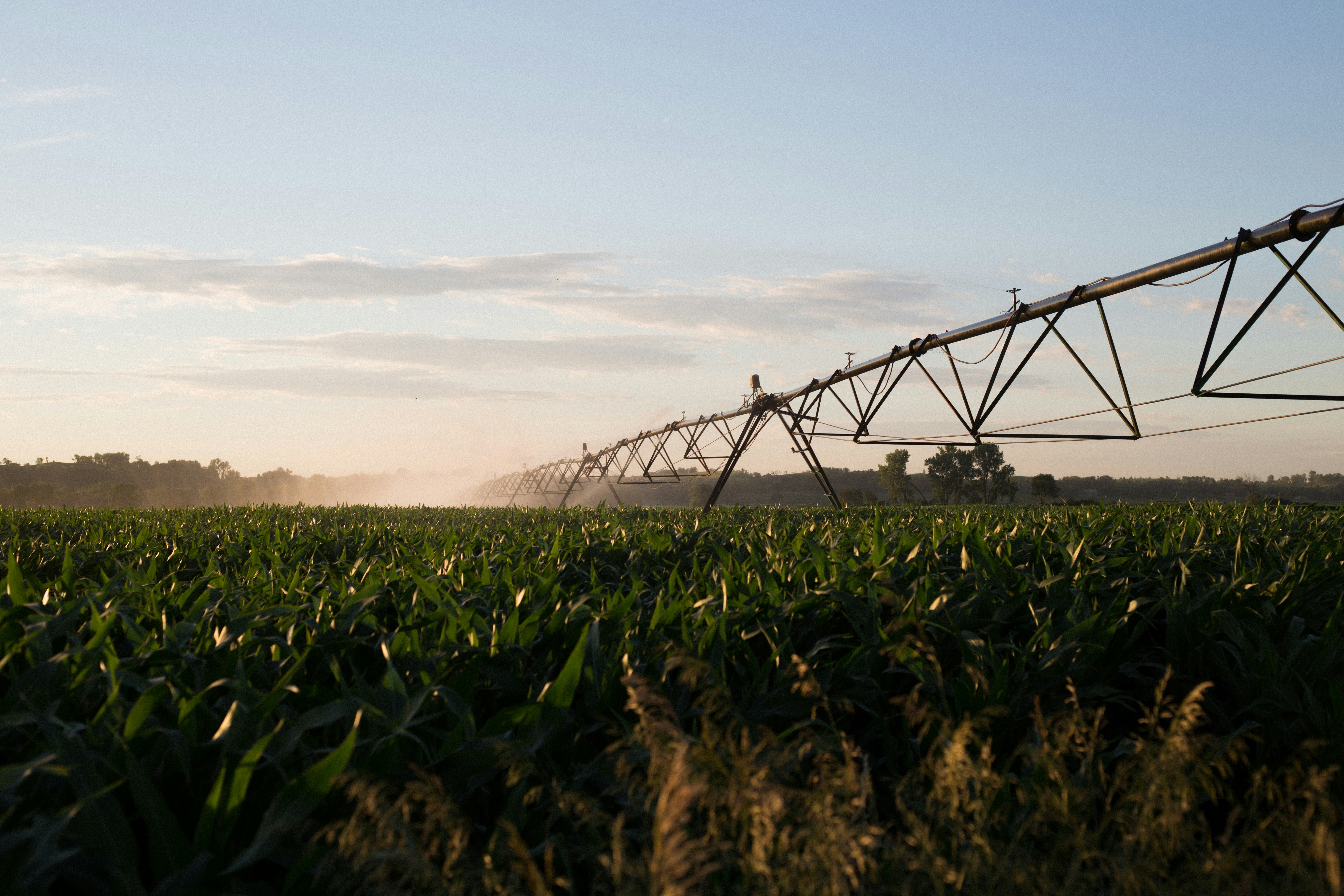
Reinhardt Family Farm
Pottawattamie County, Iowa
Corn / Soybeans — 1,840 acres
“We had the receipts but not the forms. Subsidy filed three years of practices in one application cycle.”
— Dale Reinhardt, 3rd generation
Tap to see program details
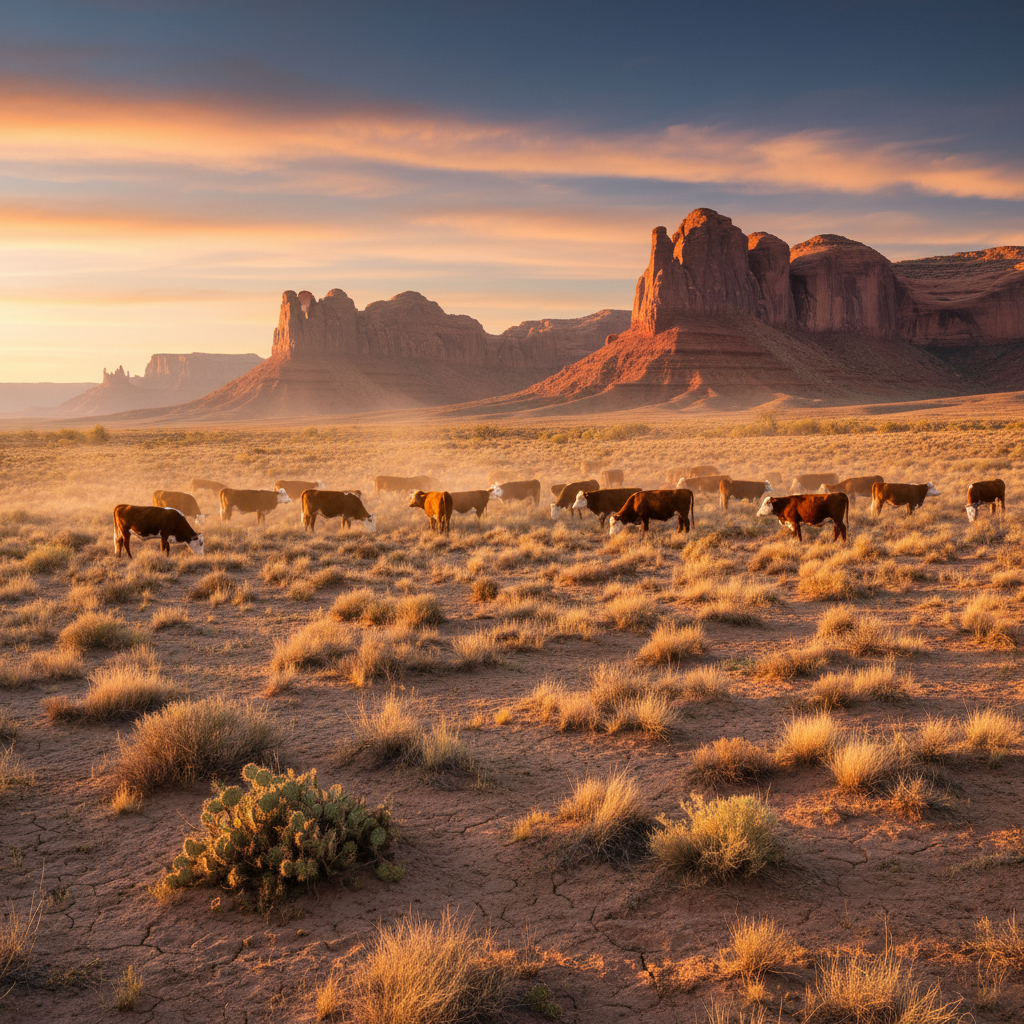
Salazar Ranch
Yavapai County, Arizona
Cow-Calf Operation — 3,200 acres
“The CSP payment schedule was a different language. They decoded it in an afternoon.”
— Maria Salazar, beginning rancher
Tap to see program details
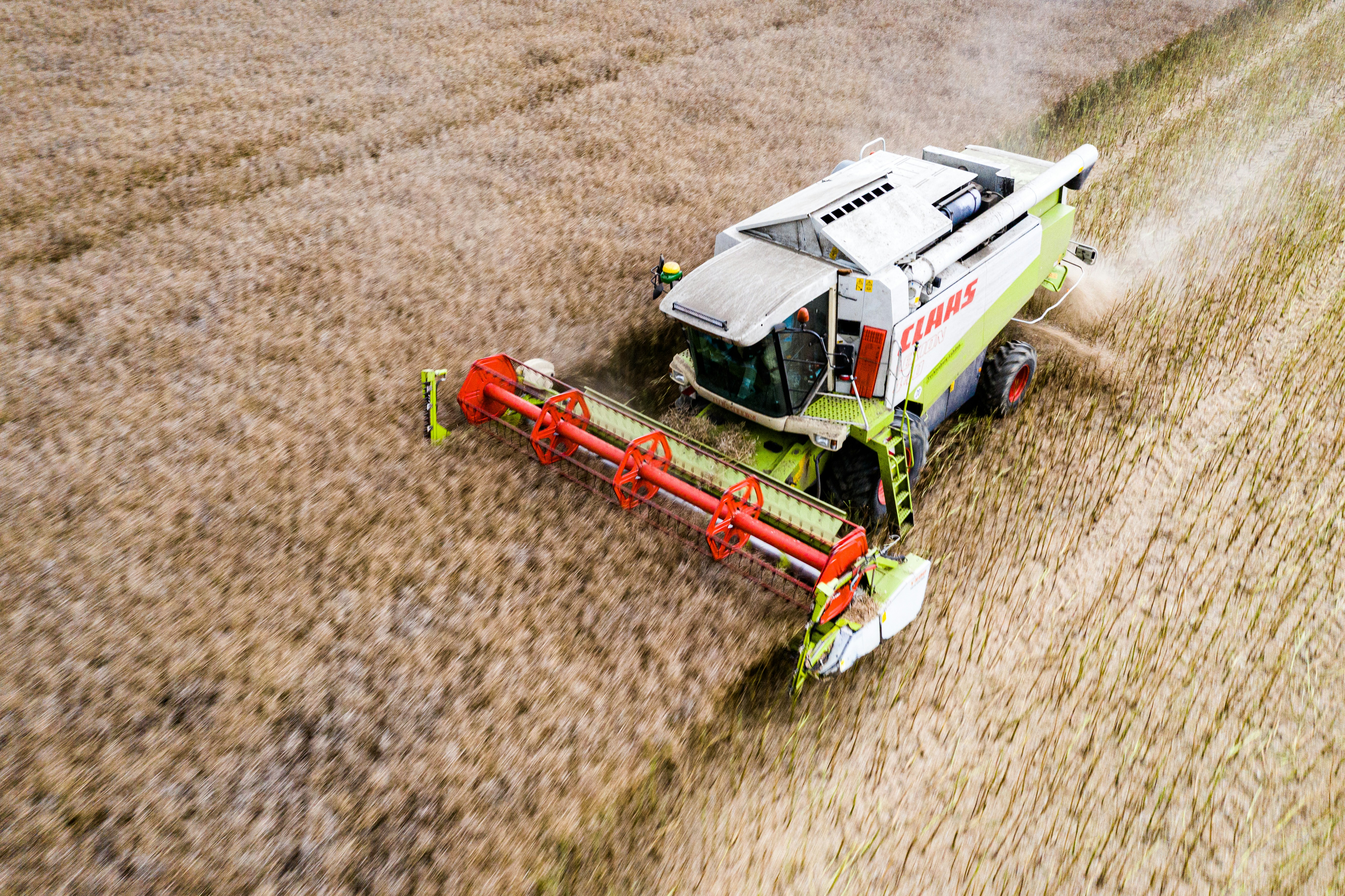
Kowalczyk Grain
Dodge County, Nebraska
Winter Wheat / Milo — 2,100 acres
“My neighbor had the same base acres and collected twice what I did. Now we both use Subsidy.”
— Tom Kowalczyk, 2nd generation
Tap to see program details
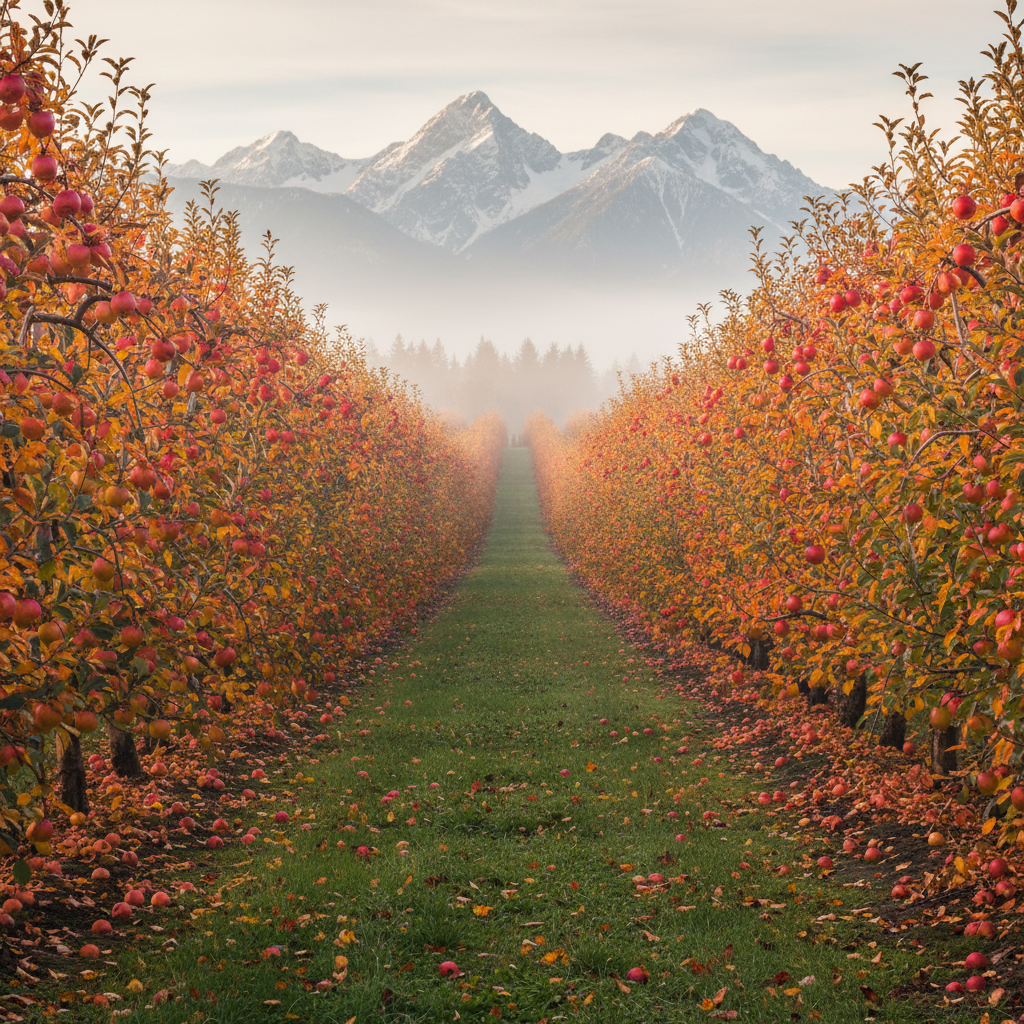
Blackwood Orchards
Yakima County, Washington
Apple / Pear — 380 acres
“Specialty crop EQIP applications are brutal. They know the practice codes cold.”
— Cynthia Blackwood, owner-operator
Tap to see program details

First National Ag Lending — Iowa Portfolio
Story County, Iowa
Ag Lender — 14 borrower files reviewed
“Clean FSA history on 12 of 14 files. Two had liens we would have missed. Worth every dollar.”
— Brad Okonkwo, VP Agricultural Lending
Tap to see program details
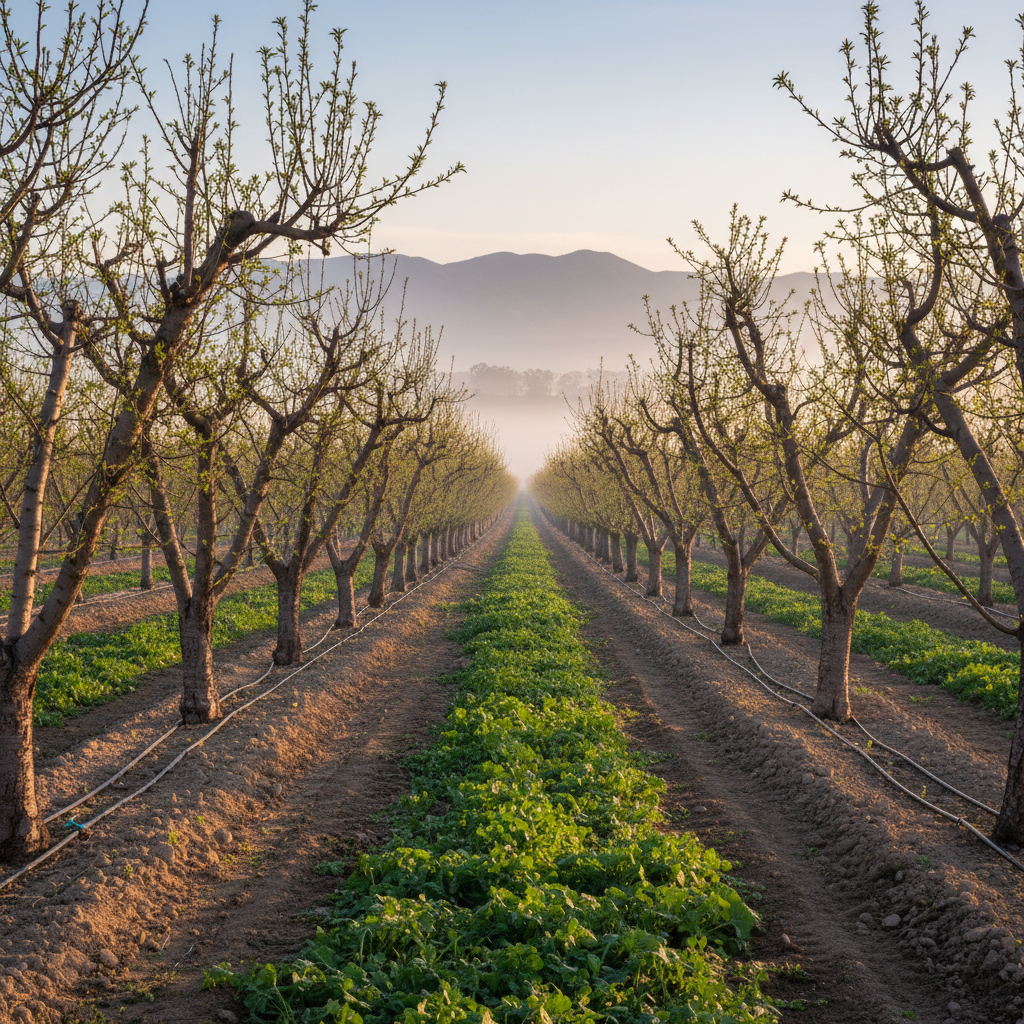
Nguyen Family Farms
Fresno County, California
Almonds / Pistachios — 620 acres
“Five-year contract. They managed every ranking cycle and practice verification.”
— Thuy Nguyen, 1st generation
Tap to see program details
$47M+
Total Recovered
Across all clients
340+
Operations Served
27 states
94%
Applications Funded
First-cycle success rate
12 days
Avg. Time to File
From initial review
Check What You're Owed.
No Cost. No Obligation.
Tell us your state, what you grow, and how many acres. We'll come back with a plain-English summary of every federal program your operation qualifies for — and what the payment could look like.
Program Eligibility Report
Every program you qualify for, ranked by payment size
Deadline Calendar
Upcoming signup windows specific to your state and commodity
Plain-English Translation
No federal jargon — just what it means for your operation
Not ready to talk yet?
Download “Your County's Open Programs” — a free PDF listing every active USDA program in your county, with payment ranges and signup windows.
Tell Us About Your Operation
Takes about 90 seconds. No login required.